🌞 Light, Sleep, Mood & Health: What You Need to Know
Light is not just for helping us see—it also helps run the internal clock in our brain, affects how well we sleep, and even influences our mood. This guide explains how light impacts our bodies, why it matters, and how we can use this knowledge to feel and sleep better.
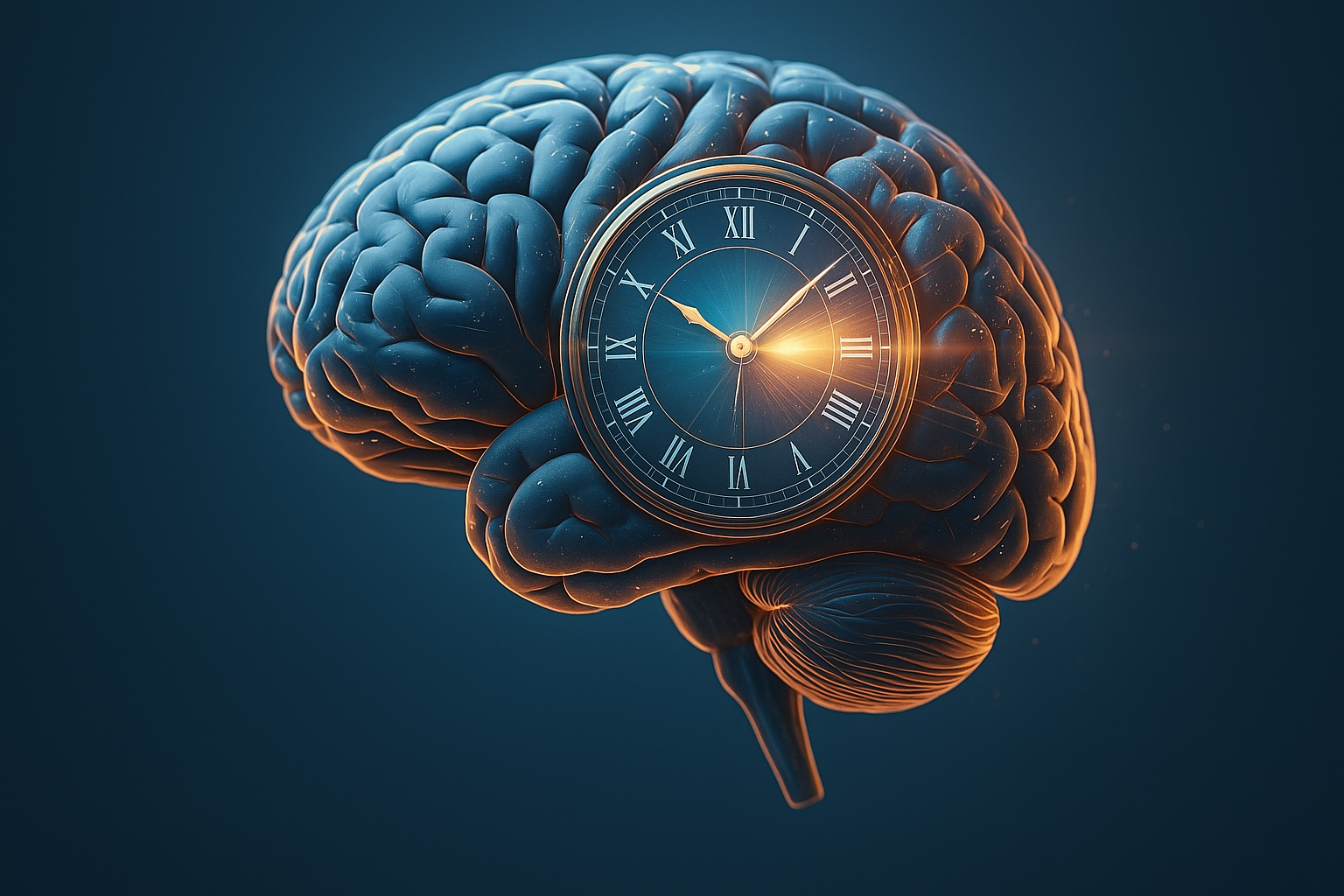
🕰️ Your Body Has a Master Clock
In your brain is a tiny area called the SCN (suprachiasmatic nucleus), which works like a 24-hour clock.
This clock tells your body when to be awake, when to sleep, and when to release hormones like melatonin (the sleep hormone).
Light, especially from the sun, helps reset this clock every day. Without it, our internal timing would drift.
Why it matters: If your clock gets out of sync (from staying up too late, jet lag, or working night shifts), it can disrupt your sleep and mood.
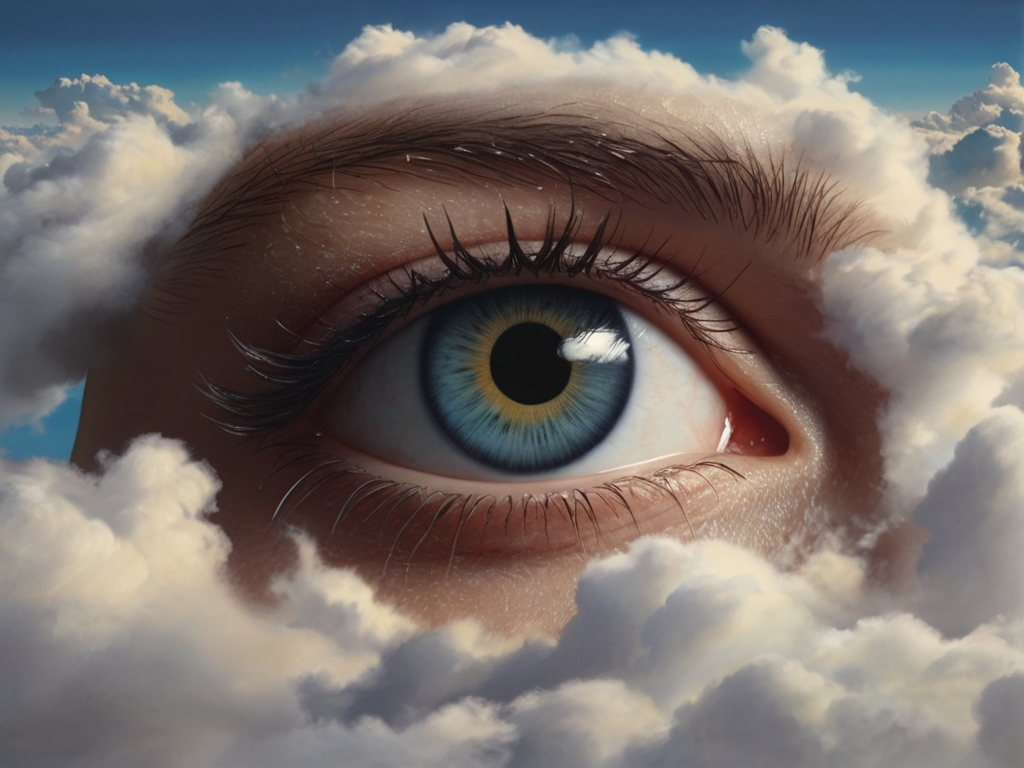
👁️ Your Eyes See More Than Just Images
Your eyes have special cells called ipRGCs that sense brightness and color temperature of light.
These cells don't help you see pictures—they send signals directly to your brain's clock.
They are most sensitive to blue light (like from the sky or digital screens).
Key insight: Even if two light sources look the same to your eyes, they can affect your brain and body differently based on their blue light content.
🌈 Blue Light Wakes You Up—At the Right or Wrong Time
Morning light tells your brain it's time to wake up and helps you feel alert.
Evening or nighttime light, especially blue light (from phones, TVs, LEDs), signals your brain to stay awake—making it harder to fall asleep.
Simple fix: Get sunlight exposure in the morning, and reduce bright lights and screen time at least an hour before bed.
.png)
😴 How Light Changes Your Sleep
Good light during the day helps you:
Fall asleep faster
Sleep longer
Get deeper, more refreshing sleep
Poor light timing (like screen use at night) can:
Delay your sleep onset
Make sleep lighter and less restorative
Disrupt your sleep hormones
Pro tip: If you're feeling chronically tired, try increasing your daytime outdoor exposure.
📱 Screens and Sleep: What You Should Know
Bright light from screens can confuse your brain into thinking it's daytime, especially before bed.
Using "Night Mode" (which shifts screens to warmer tones) helps somewhat—but reducing screen brightness helps even more.
It's not just the light—engaging content (games, texts, videos) keeps your brain active too.
Better habit: Wind down with a book or calming music instead of your phone before bed.

😊 Light and Your Mood Connection
Light can boost your mood by helping your brain produce serotonin—a neurotransmitter that promotes positive feelings.
People with depression or Seasonal Affective Disorder (SAD) often respond positively to bright light therapy (BLT).
This works best in the morning, using a special bright light lamp or simply spending time outdoors.
Natural remedy: A 30-minute morning walk in daylight can help combat low mood and sleep problems.
💡 Light Therapy: A Simple Way to Feel Better
Light therapy uses bright lights (7,000–10,000 lux) for 30–60 minutes daily.
Benefits include help with:
Depression
Sleep disorders
Jet lag
ADHD symptoms
Dementia symptoms
Shift work fatigue
It works best when used consistently every morning at approximately the same time.
Bonus: Natural sunlight in the morning works just as effectively for many people!
⚠️ Safety Considerations
Light therapy is generally safe, but exercise caution if you:
Have eye conditions or diseases
Take medications that increase photosensitivity (certain antibiotics or psychiatric medications)
Have bipolar disorder (it might trigger manic episodes in some individuals)
Consult a healthcare provider if you're uncertain whether light therapy is appropriate for you.

✅ Final Thought
Light is free, powerful, and easy to harness—once you understand how it works. Small changes in your light exposure patterns can lead to significant improvements in your sleep quality, mood stability, and overall health.